Nose
Rhinoplasty in Seoul — primary nose jobs, revision rhinoplasty, alar reduction, and functional septum surgery, planned around your own nose, not a template.
A first rhinoplasty is easier to plan well than to redo. Revision rhinoplasty is consistently described by surgeons as harder than a first surgery, because scar tissue and reduced skin flexibility limit what's possible — which is why real time goes into nose design before a first surgery, and why revision cases start with imaging and a full surgical history, not a quick estimate.
What Rhinoplasty Covers at DOY JUN
Rhinoplasty isn't one procedure — a first-time bridge-and-tip reshaping, a breathing-focused septum correction, a nostril-width reduction, and a revision after a previous surgery each call for different techniques and sometimes different graft material. Korean rhinoplasty commonly uses silicone implants for bridge height and the patient's own rib or ear cartilage for the tip or for revisions, chosen based on your skin thickness, remaining cartilage, and what you're trying to fix.
Procedures in This Category
Primary Rhinoplasty
Primary rhinoplasty for a first nose job, with the bridge and tip designed around your face's own proportions rather than a single trending shape.
Rhinoplasty by Nose Type
Rhinoplasty by nose type — bulbous, hooked, upturned, crooked, or low-bridge noses — since each starting shape calls for a different plan.
Alar Reduction (Nostril Reduction)
Alar reduction for nostrils that flare when you smile or a nose that reads as wide from the front even with a defined bridge.
Functional Rhinoplasty (Deviated Septum Surgery)
Functional rhinoplasty for a deviated septum or narrow nasal valve causing breathing problems, straightening and repositioning cartilage rather than simply cutting it away.
Rhinoplasty for Men
Rhinoplasty planned around male facial proportions — a straighter, slightly more prominent bridge line rather than a scaled-down version of a women's rhinoplasty.
Revision Rhinoplasty
Revision rhinoplasty for a nose that has shifted, shortened, scarred internally, or needs an implant removed or replaced, usually using your own cartilage rather than more synthetic material.
Real DOY JUN Patients
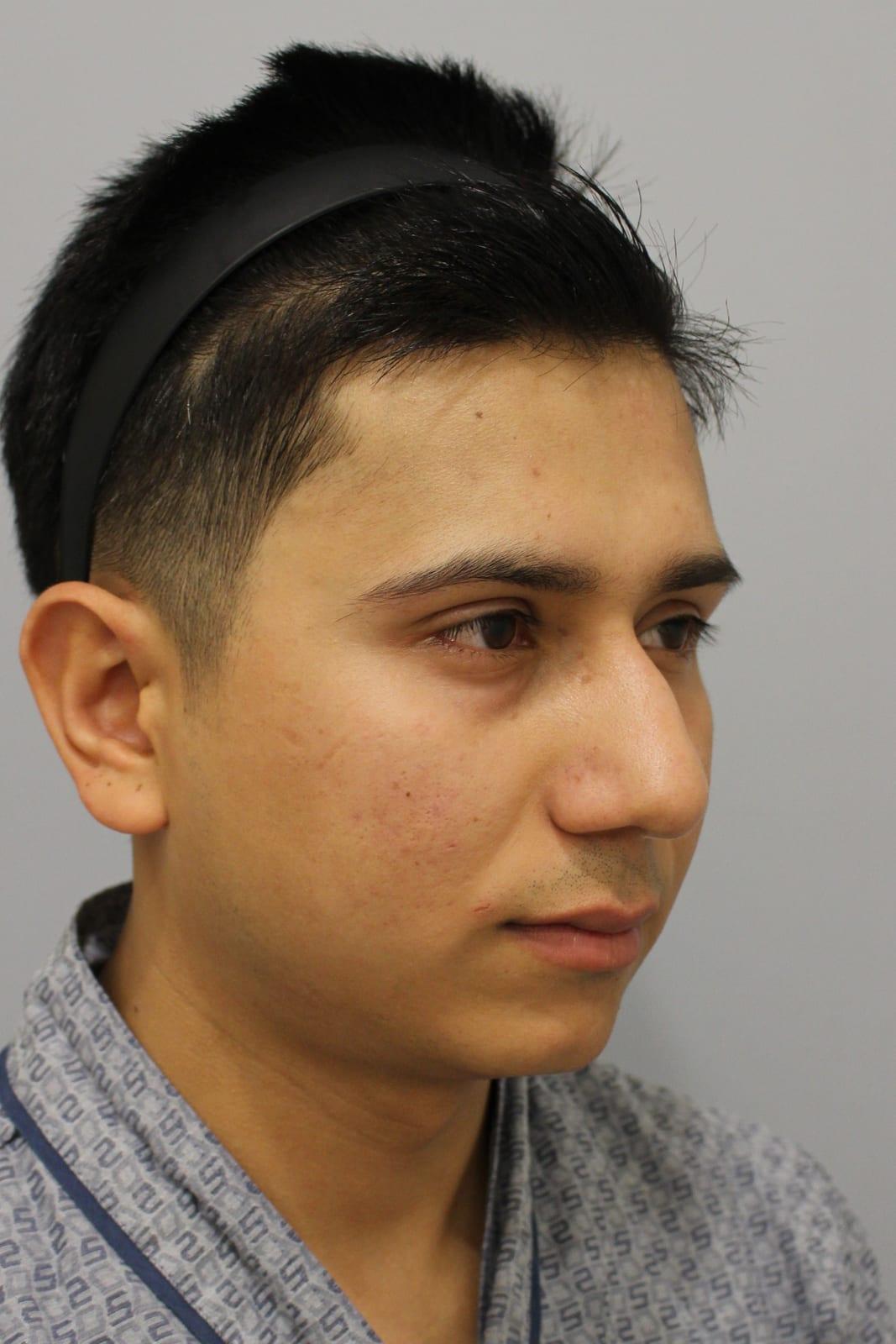
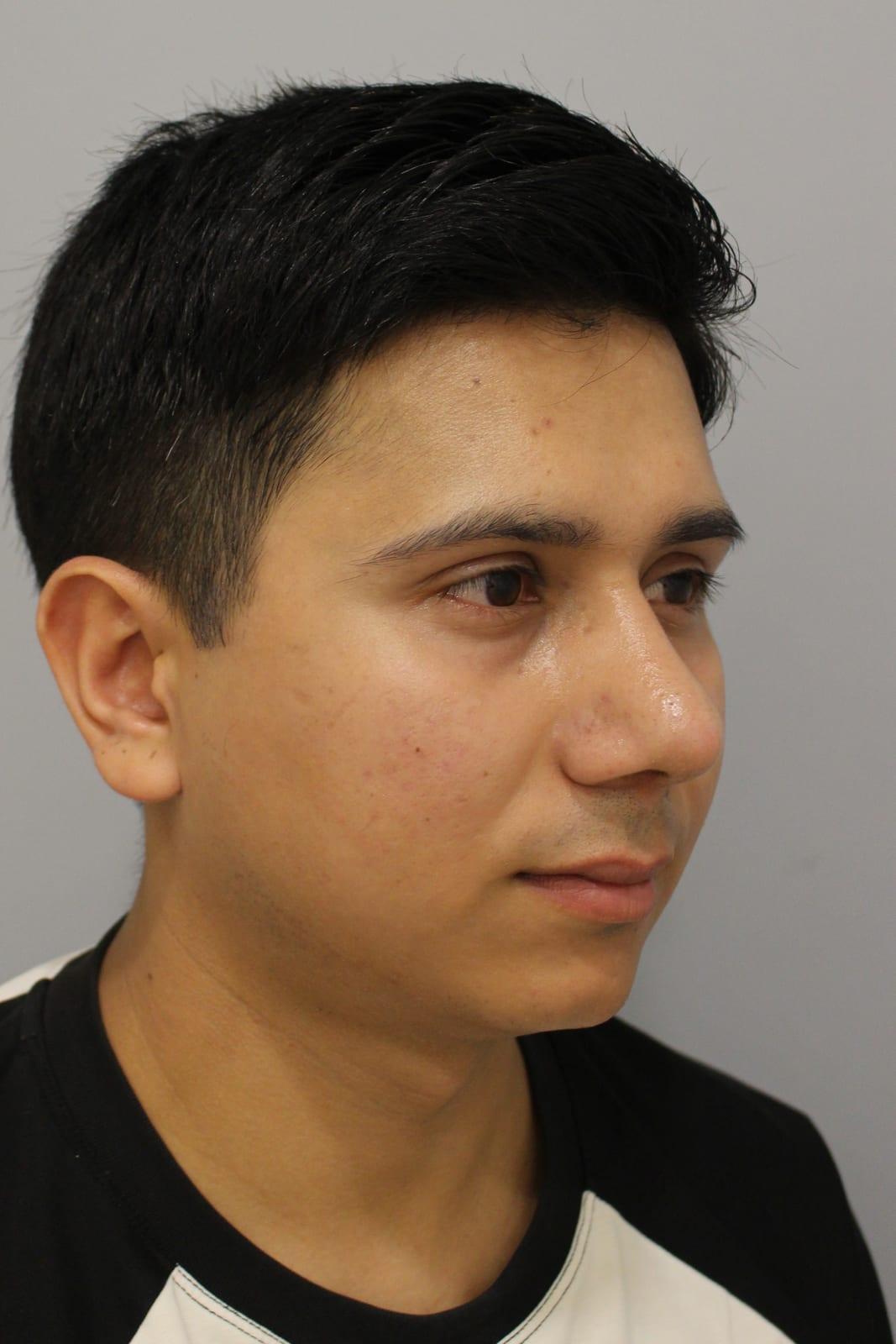
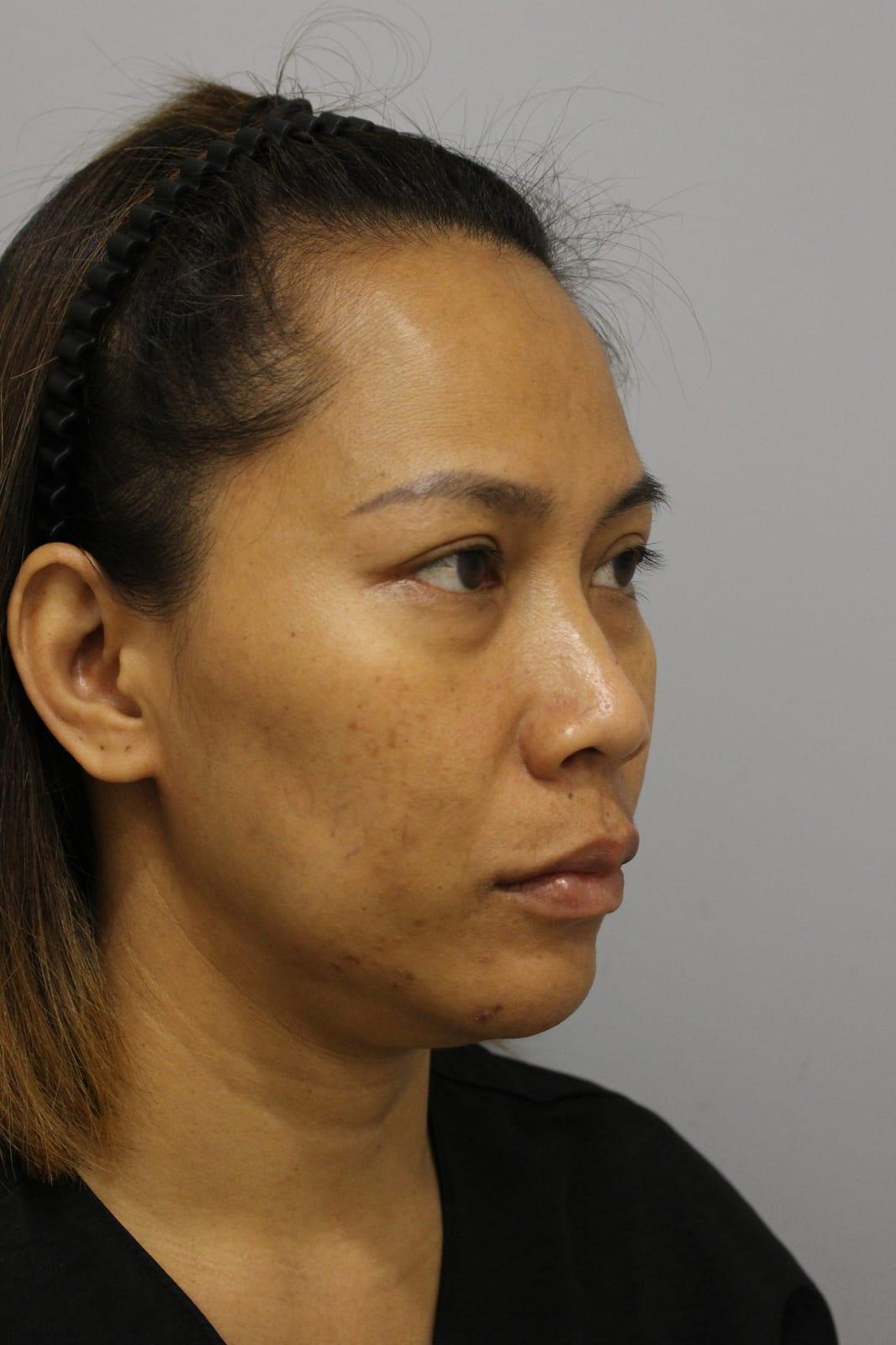
Actual patient photos from DOY JUN. Results vary by individual anatomy and healing — your surgeon can discuss what's realistic for your case in consultation.
Is This Right for You?
- You're considering your first rhinoplasty and want a bridge and tip that fit your face rather than a copied template
- Your nose tip looks bulbous, round, or heavy no matter the bridge height
- You have a deviated septum or narrow nasal passage making it hard to breathe through your nose
- You want a male-specific rhinoplasty plan, not a scaled-down version of a women's design
- A previous rhinoplasty has shifted, shortened your nose, or left you unhappy with the result
- You need an old nasal implant removed, replaced, or reassessed
Your Treatment Process
- 01
Consultation & Imaging
For first-time cases we assess your skin thickness, cartilage, and face proportions; for revision cases we also review 3D CT imaging and your surgical history before discussing options.
- 02
Design
Bridge height, tip projection, and nostril width are planned together, since changing one without the others can throw off the whole profile.
- 03
Procedure
Rhinoplasty is typically done under local anesthesia with sedation, usually around 1 to 1.5 hours depending on complexity, with an anesthesiologist on site.
- 04
Recovery & Follow-up
Most of the visible swelling comes down within the first one to two weeks, with finer swelling settling gradually over one to three months; your surgeon tracks your healing at scheduled follow-ups.
Frequently Asked Questions
Can I get rhinoplasty if I've had nose filler or thread lifts before?+
In many cases, yes. Surgeons often find that some previously injected filler remains in the tissue even after it's supposed to have dissolved, so your surgeon may recommend a dissolving injection beforehand or address it during surgery — this is something to raise directly in consultation.
How long does rhinoplasty recovery take?+
Most visible bruising and swelling settle within one to two weeks for many patients, while subtler swelling can continue to resolve over one to three months. Recovery pace varies by individual and by how extensive the surgery is.
What makes revision rhinoplasty harder than a first surgery?+
Each additional surgery tends to leave more scar tissue and less flexible skin to work with, and some of your own cartilage may already have been used or removed — your surgeon will explain what's realistic once your surgical history and imaging are reviewed.
Do you use silicone implants or my own cartilage?+
Both are used depending on the case: silicone is commonly used for bridge height, while a patient's own rib, ear, or septal cartilage is used for the tip and in many revision cases, chosen based on what's left to work with and what you're trying to achieve.
Get an Honest Read on What Your Nose Needs
Share a few angles of your nose and what's bothering you — we'll tell you whether it's a first-rhinoplasty case, a breathing issue, or a revision, and what that actually involves.
Message Us on WhatsApp