Fat Graft
Fat grafting in Seoul for the face and buttocks — your own purified fat, re-injected to add volume without an implant.
Fat grafting is a volume procedure, not a lift — it adds back what's missing rather than pulling up what's sagging. For patients who'd rather avoid an implant or don't want the maintenance of filler, it's a way to add volume using tissue that's already yours.
How Fat Grafting Works
Fat is taken from an area with extra supply — usually the thighs, abdomen, or flanks — then processed in a centrifuge to separate out pure fat cells before it's re-injected into the target area in fine layers. Because it's your own tissue, there's no filler to dissolve or implant to eventually replace, though not all of the transferred fat survives permanently, which is why the amount injected and the technique used affect how much volume holds over time.
Procedures in This Category
Facial Fat Grafting
Facial fat grafting using your own purified fat to add volume to hollow or flattened areas of the face, without a filler or implant.
Buttock Fat Grafting (Brazilian Butt Lift)
Buttock fat grafting to add volume and shape where muscle alone hasn't been able to fix flatness, asymmetry, or sagging.
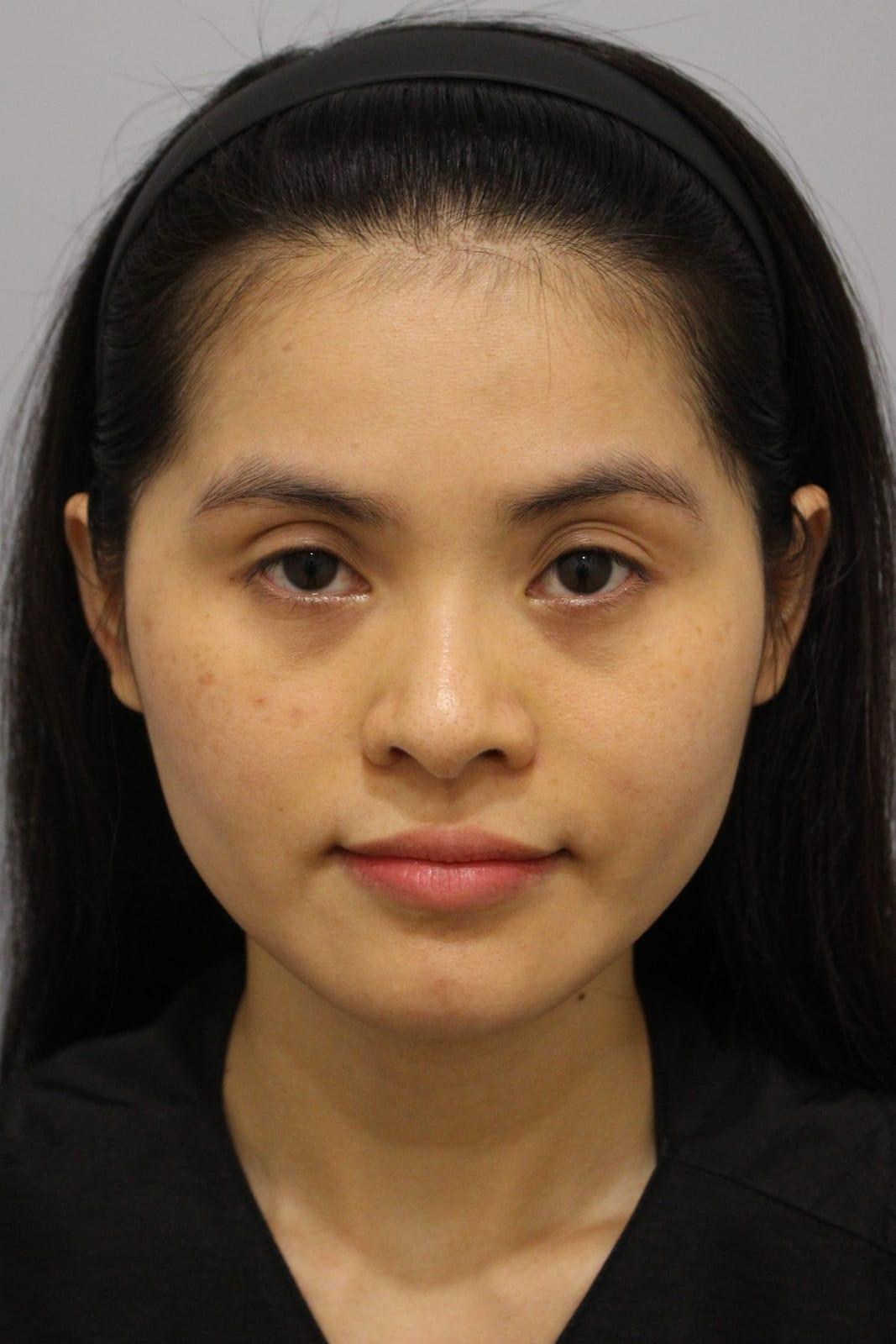
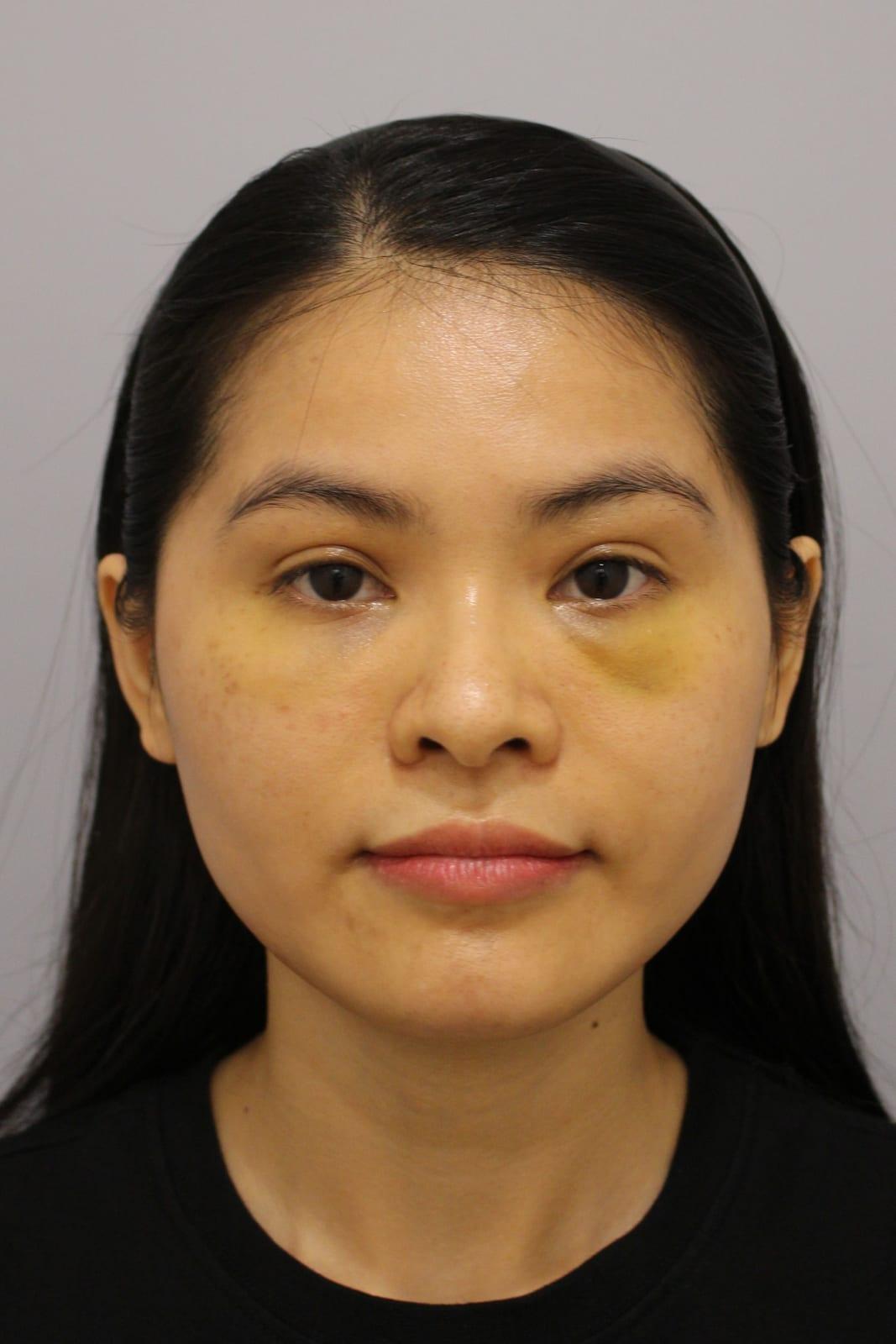
Real DOY JUN Patients
Actual patient photos from DOY JUN. Results vary by individual anatomy and healing — your surgeon can discuss what's realistic for your case in consultation.
Is This Right for You?
- Hollow or flattened areas of the face you'd rather fill with your own tissue than a filler or implant
- A want for natural-looking volume without the ongoing maintenance of repeat filler appointments
- A flat, uneven, or sagging buttock area that exercise alone hasn't changed
- Enough donor fat elsewhere on the body (commonly the thighs, abdomen, or flanks) to use for grafting
Your Treatment Process
- 01
Consultation & Design
Your surgeon identifies the donor site and the target areas, and estimates how much fat needs to be harvested and injected based on your goals.
- 02
Fat Harvesting
Fat is removed from the donor area through small incisions, similar to a limited liposuction.
- 03
Purification & Injection
The harvested fat is spun in a centrifuge to separate out pure fat cells, which are then injected into the target area in fine layers using a blunt cannula.
- 04
Recovery & Follow-up
Recovery is typically around one to two weeks, with some of the initial volume reducing as swelling resolves; follow-up visits track how much of the grafted fat has settled in.
Frequently Asked Questions
How much of the transferred fat actually stays?+
Not all grafted fat survives permanently — some is naturally reabsorbed by the body, which is normal. Technique, injection layering, and how the area is cared for afterward all affect how much volume holds, and your surgeon can give you a realistic expectation for your case.
Is fat grafting safer than filler or an implant?+
Because it uses your own tissue, fat grafting avoids some of the considerations specific to synthetic filler or implant material, but it's still a surgical procedure with its own risks, including asymmetry, lumping, or calcification in rare cases, which your surgeon will walk you through.
Where does the donor fat come from?+
Commonly the thighs, abdomen, or flanks — areas with enough fat to harvest safely. Your surgeon will assess during consultation where you have a suitable donor supply.
How long does facial or buttock fat grafting take to recover from?+
Many patients see most visible swelling settle within one to two weeks, though the final, settled result takes longer to assess since some of the transferred volume reduces naturally during healing.
See If Fat Grafting Fits What You're Trying to Fix
Tell us where you'd like more volume and we'll explain honestly how fat grafting compares to filler or an implant for your case.
Message Us on WhatsApp